


A Music Defining Decade
Who defined the decade?
There are a few artists who are either synonymous with the 80s or had such a significant impact that they deserve a personal mention. Michael Jackson’s Thriller (1982) set new standards in both production and performance, the music videos that accompanied his hits pushed pop’s popularity to new heights and made Jackson a favourite in households across the world. The “Queen of Pop” Madonna dominated the charts, and her artistic provocations challenged social conventions, making her the embodiment of emancipation and freedom and one of the most influential fashion icons of the decade. Rock encompassed various artists such as Guns N’ Roses, Bon Jovi, Def Leppard, U2, Iron Maiden, Pat Benatar, Joan Jett, Blondie and of course Queen. The diversity of this list is illustrative of just how much the genre diversified during this period. Synth-pop pioneers include Depeche Mode, The Human League, Erasure, Pet Shop Boys, Soft Cell, Eurythmics, and A-ha. Hip-hop, though still in its infancy, saw the emergence of figures like Run-D.M.C., Beastie Boys, MC Hammer, Salt-N-Pepa, and Public Enemy, who laid the groundwork for the future of the genre. You can find music by these artists as well as the other heavy hitters of the 80s on my playlist above!
What defined 80s Music?
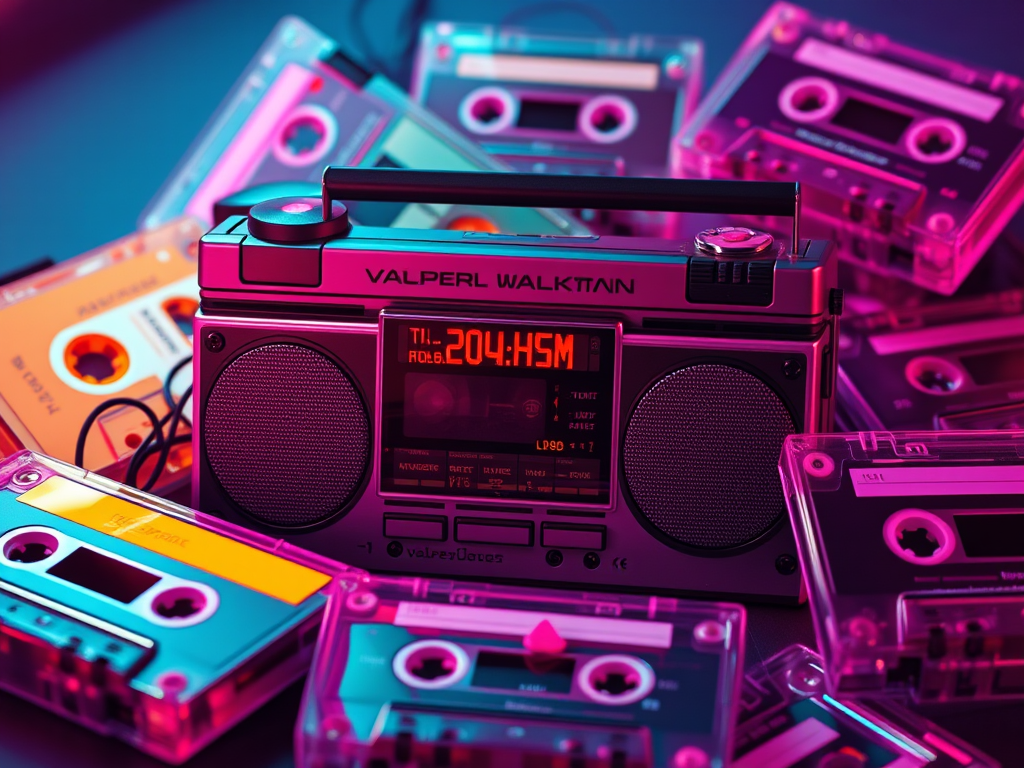
The simple answer is the increasing use of technology in music production and big hair. The decade was marked by a distinct evolution of musical genres. Rock was no longer just rock, it was subdivided into several recognisable genres such as glam metal, gothic rock, and alternative rock. Pop music received the most obvious bump from burgeoning technology. The introduction of synths provided a whole new avenue for musicians, allowing them to create the precise, clean electronic beats, and innovative melodies that resulted in the unforgettable dance tracks that defined the decade. Similarly, hip-hop began to take hold, marking the beginning of a cultural phenomenon that would have a significant impact on subsequent generations. This decade had multitudes of music defining hooks that still get re-used today.
Improvements in technology did not only have an impact in the studio but also on the listeners. A Hi-Fi listening experience enabled a deeper appreciation and enjoyment of the music and encouraged developing musicians to invest in their own sound and production equipment as it became cheaper and more compact. This accessibility opened the industry to artists of all genres, from different walks of life and with new and innovative ideas about how to make and release music.
What impact did the 80s have on the music industry?
By weaving synth-heavy production, infectious hooks and bouncy verses artists like The Weeknd, with his album After Hours, and Dua Lipa’s Future Nostalgia seamlessly blend modern pop with elements of 80s dance music. Daft Punk’s sound clearly draws influence from the era’s electronic influences, Indie Rock bands The 1975 and Arctic Monkeys, also owe their sound to the influence of nostalgic 80s songs.
The 80s was an era defined by cultural transformation, large hair and outspoken personalities, incorporating elements of 80s music within contemporary sounds has the power to immediately evoke nostalgia for a world that is very different to today. With the rise of MTV artists were given an unprecedented platform to reach a global audience. Many artists used this new-found power to drive change. U2’s “Sunday Bloody Sunday,” criticised the British government’s role in the Northern Ireland conflict, Sting’s “Russians,” was a comment on Cold War tensions. Music wasn’t just art or a form of rebellion—it was a tool for education, unity, and change. Bruce Springsteen’s “Born in the U.S.A.” has a patriotic sounding title, but the lyrics talk of disillusionment and the struggles of American veterans post-Vietnam. The Clash’s songs like “London Calling” and “Straight to Hell” tackled political and social issues – the perfect soundtracks for rebellion.
Music and activism continue to go hand in hand, an 80s holdover, that can hopefully still affect change in the world we live in today. Comment below your favourite 80s song!
“I want my MTV!” George Lois (1982)
In 1981, MTV was created as a source and platform for music to have a more visual appeal to the public. “I Want My MTV” was an iconic marketing slogan launched to encourage cable subscribers to request the music channel. It was famously used in the song “Money for Nothing” by Dire Straits, with Sting repeating the phrase, and served as the first video played on MTV Europe. Artists were finally able to make music videos for their pieces as a way to display another creative side using visual effects and fashion. Lois developed what he called “The Big Idea” the claim that he created the “I Want My MTV” campaign (though this is debated and the original creators may be John and Faith Hubley).
Sources:
https://mdlbeast.com/xp-feed/music-industry/how-did-80s-music-change-the-world
 Niamh Quinn Music
Leave a comment